

The next group:
Sunday: 12- 3:30 PM
25th October | 29th November 2026
Balmain, NSW 2041
Enhance your teaching
Teachers: group supervision and professional development.
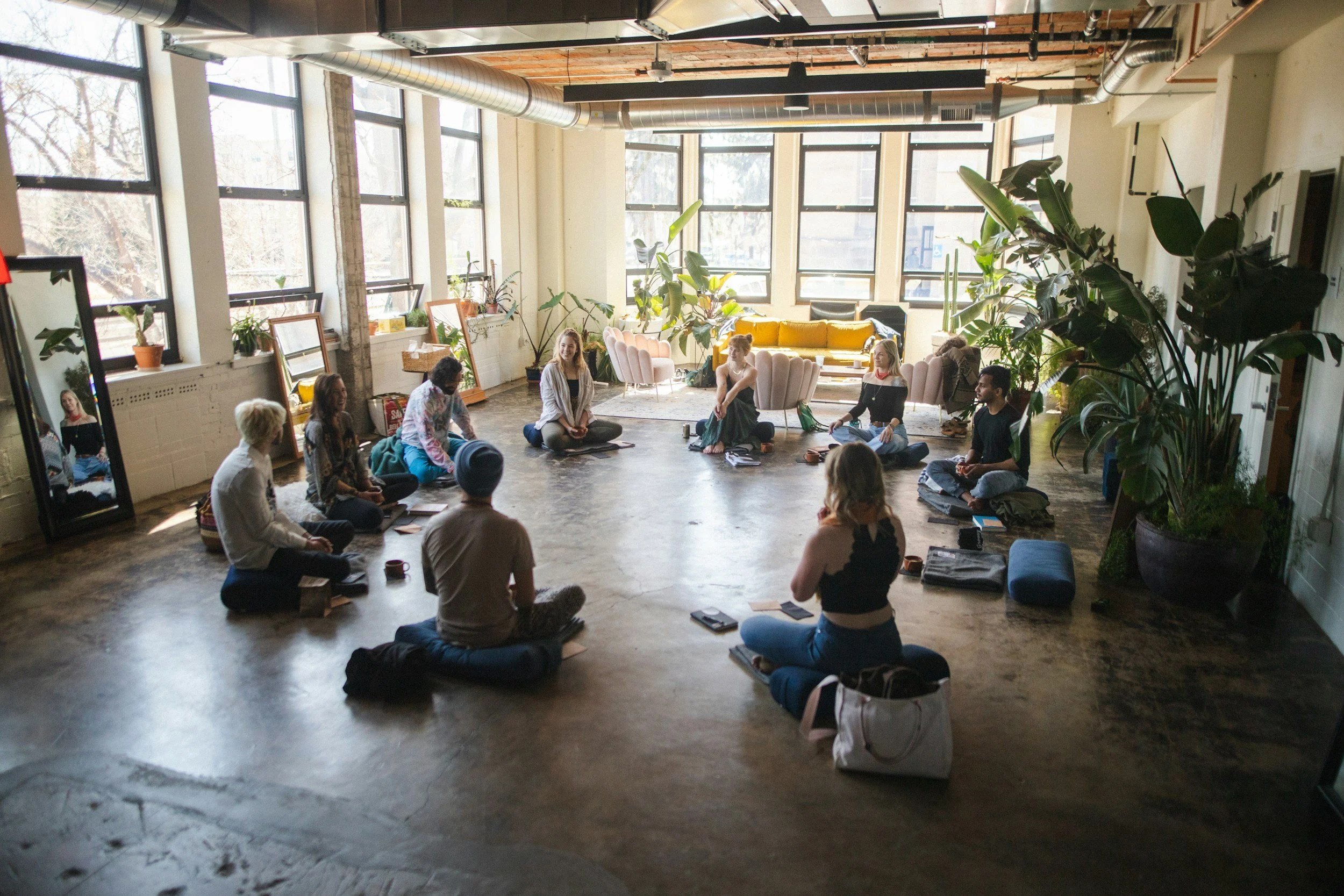
Group supervision for yoga teachers is a structured, ongoing peer-support process — borrowed from models used in counseling, psychotherapy, and other helping professions — where teachers regularly meet in a small group with an experienced facilitator to reflect on their teaching practice.
Here's what it typically involves:
Purpose
It gives teachers a confidential, non-judgmental space to process the emotional and practical demands of teaching — things that rarely get addressed in yoga teacher training itself. This includes managing student disclosures (trauma, grief, health issues), holding space for others while feeling depleted themselves, navigating studio politics or difficult class dynamics, and preventing burnout.
Structure
Small groups (often 4–8 teachers) meet regularly — weekly, biweekly, or monthly
Sessions are facilitated by a senior teacher or trained supervisor, often with a decade or more of teaching experience
Each session usually has a loose structure: check-ins, a chance to bring a specific challenge or situation to the group, reflective discussion, and closing
What gets discussed
Difficult moments in class (a student crying, a triggering pose, conflict)
Self-doubt or comparison with other teachers
Maintaining boundaries with students
Balancing teaching income with sustaining a personal practice
Ethical questions (e.g., touch, adjustments, scope of practice)
Burnout, stress, and anxiety specific to holding space for others
Why it matters
Yoga teaching is emotional labor. Teachers are expected to be calm, regulated, and available — but they're human too. Supervision normalizes struggle, builds a sense of community rather than isolation, and helps teachers stay ethical, grounded, and sustainable in their careers long-term.
It's essentially peer mentorship with structure — not therapy, but therapeutic in effect.